


























Is this right for my child’s situation?
This programme is designed for parents of children who:
- Are anxious about going to school or find it very distressing
- Have autism, ADHD or other additional needs (diagnosed or not), or are not neurodivergent but still find school a struggle
- Are aged 7–16 and in primary or secondary school
- Are attending full time, struggling to attend, or currently out of school
It is not the right fit if:
- You are in immediate crisis or worried about your child’s immediate safety.
- Your child is experiencing complex mental health difficulties.
- You are looking for a 1‑to‑1 assessment, diagnosis, or therapy.
If you’re unsure, joining the waitlist doesn’t commit you to enrolling. It simply means you’ll get full details when doors open, so you can decide then.
My child is autistic / has ADHD / has other additional needs / is awaiting assessment. Will this still be relevant?
Yes. Many children who struggle with school anxiety are autistic, have ADHD, or other special educational needs. Many are only diagnosed after school starts to become really hard.
The programme focuses on underlying factors that often sit beneath school anxiety (such as sensory overload, difficulties with learning, autistic burnout, feeling as if you don't belong or difficulties with emotional regulation), rather than on labels alone.
You’ll be supported to think about your child’s profile, strengths and needs, and to build a plan that reflects their specific situation.
My child isn’t able to go to school at the moment. Will this course still be relevant?
Yes. Even if your child isn’t attending school right now, it can still be incredibly helpful to understand why school felt so hard. Many of the underlying challenges — such as sensory overload, anxiety, low mood or difficulties with emotional regulation — don’t disappear just because school is paused.
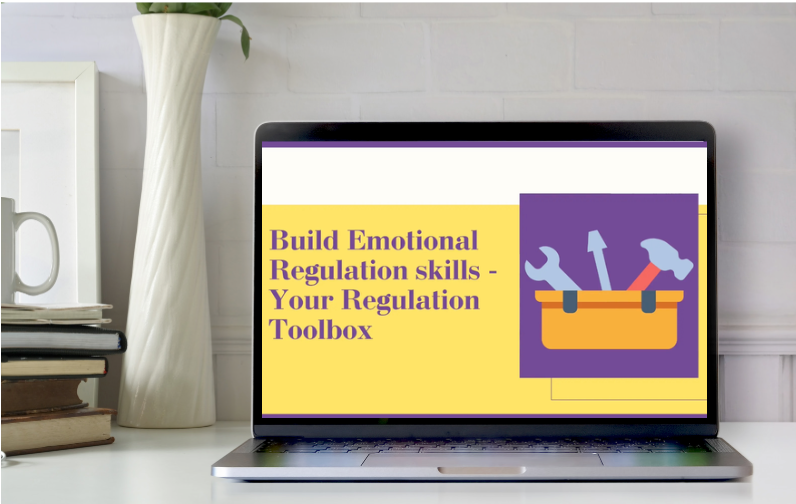
This course will help you gently build your child’s skills, confidence and self-understanding — whether that’s recognising their strengths, understanding their sensory profile, or learning how to manage big feelings. These are life skills that matter wherever your child is learning.
How much time will this take? I’m already feeling overwhelmed.
Most parents are already stretched, so this programme is designed to fit into real life.
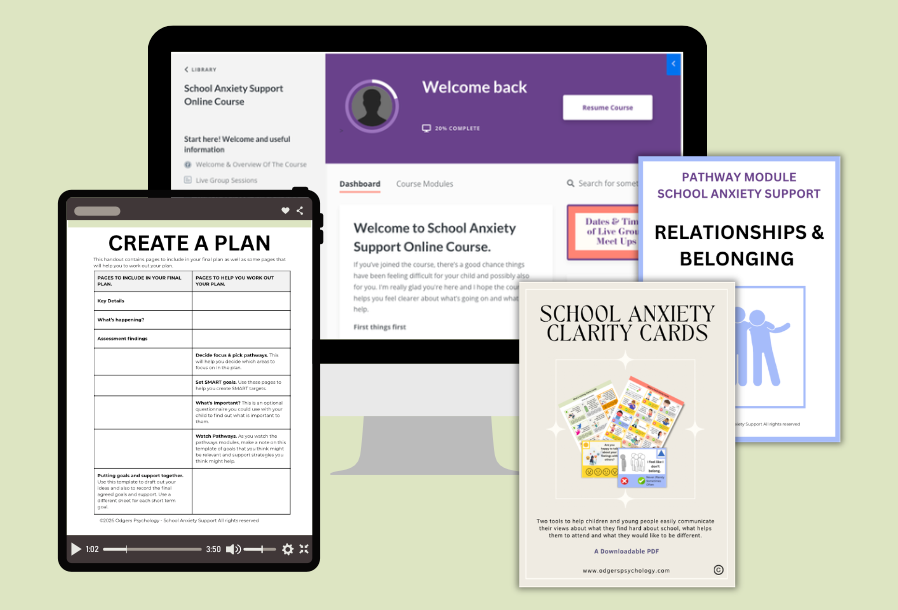
• Most videos are under 15 minutes.
• You can watch on your own schedule.
• You don’t need to complete everything at once.
A good starting point is around 1–2 hours per week for watching lessons and trying one or two small steps at home or with school.
Does this replace therapy or CAMHS?
No. School Anxiety Support is not a crisis or treatment service and does not replace individual assessment, diagnosis, therapy, or CAMHS.
It’s an educational programme that helps you:
- Better understand your child’s anxiety and needs.
- Have more informed, confident conversations with professionals and school.
- Work out what practical supports can be put in place at home and in school.
You can use it alongside other professional support, or while you’re on a waiting list.
What if I join and then life gets in the way?
You’ll have 12 months’ access to the course materials, so you don’t need to do everything immediately.
You can:
- Move at your own pace
- Revisit modules as your child’s situation changes
- Focus only on the pathway modules that are most relevant to you
The aim is steady, realistic progress, not perfection.